
Why Calm Can Feel So Hard
For many people, especially those shaped by chronic stress or trauma, relaxation doesn’t feel soothing—it can feel unfamiliar, unsafe, or even triggering.

For some people, relaxation comes easily. They can unplug after work, slow down on weekends, and enjoy quiet moments without much effort. Reading a book, taking a walk, sitting in nature, or spending time with someone they love feels truly refreshing.
But for others, calm isn’t calming.
Slowing down can create anxiety. Quiet can feel uncomfortable. Rest can feel like something you have to earn—or something your body simply doesn’t know how to do.
If you relate to this, it doesn’t mean you’re doing relaxation “wrong.”
It often means your nervous system learns—over time—that staying alert is safer than letting your guard down.
What Nervous System Regulation Actually Means (In Simple Terms)
When your nervous system is regulated, you generally feel:
present and grounded
able to think clearly
emotionally steady (even if life is stressful)
connected to yourself and others
able to rest and recover
When your nervous system is stressed, you may feel:
tense, wired, restless, or on edge
emotionally reactive, irritable, or overwhelmed
shut down, numb, foggy, or disconnected
unable to settle—even when you want to
A stressed nervous system isn’t just a “mindset.” It’s a bodily state.
And if your system has spent years in survival mode, calm can feel unfamiliar—even threatening.
Why Calm Can Feel So Uncomfortable
Many people assume relaxation should come naturally. However, for those affected by trauma, chronic stress, or emotionally unsafe environments, feeling calm was not something they experienced consistently in childhood.
Some people grew up in homes where:
adults were overwhelmed
emotions were unpredictable
conflict was common
safety was inconsistent
stress was “normal”
the nervous system rarely got to settle
In those environments, the body learns something powerful: staying alert is how you stay safe.
Over time, calm can seem like a lack of control—rather than a relief.
Why Slowing Down Can Feel Unsafe
For some people, calm doesn’t feel calming—it feels unsettling.
If you grew up in a home shaped by chronic stress, unpredictability, emotional tension, or walking on eggshells, your nervous system may have learned to stay mobilized and on high alert. Over time, that can become a default mode of vigilance: scanning, bracing, and staying prepared.
In that context, slowing down might feel strange—not because you don’t want relief, but because your system doesn’t automatically recognize stillness as safe.
One way the nervous system survives difficult childhood environments is by staying in the mobilized state of fight-or-flight. But others survive by shutting down, numbing, or becoming disconnected on the inside. And if the body has learned that “going still” equals danger, relaxation can start to feel less like rest and more like collapse.
This is what I sometimes call unsafe rest: a state that appears quiet from the outside, but doesn’t feel steady on the inside.
So the nervous system adapts. It keeps you moving. Thinking. Worrying. Doing. Not because you’re incapable of calming down, but because staying activated has felt safer than slowing down.
When that’s your nervous system’s history, it makes sense that people keep reaching for motion or stimulation: staying busy, scrolling, overworking, drinking, chasing intensity. Not because they’re failing at self-care—but because their body is trying to avoid a state that once felt frightening or unmanageable.
The goal isn’t to force relaxation. It’s to help the nervous system gradually learn the difference between shutting down and settling—between unsafe rest and safer rest.
4 Things That Shape Our Capacity to Relax
1) Attachment: We Learn Safety Through Relationships
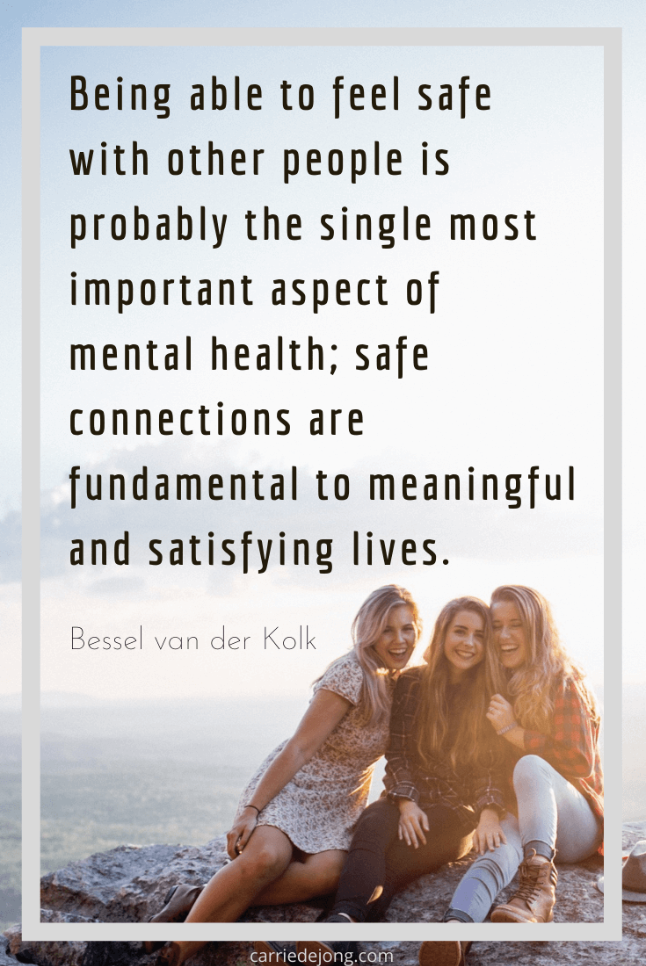
Humans are wired for connection. In fact, one of the most important ways we develop a sense of safety is through early attachment relationships.
When caregivers are reasonably consistent, protective, and emotionally available, a child’s nervous system learns:
“I’m safe.”
“I can rest.”
“I don’t have to handle everything alone.”
This early sense of safety becomes the foundation for a person’s ability to relax—not just physically, but emotionally and relationally.
But when attachment is inconsistent, frightening, neglectful, or unpredictable, the nervous system adapts.
Instead of learning how to settle, it learns how to stay ready.
2) Attunement: Being Seen Helps the Nervous System Settle
Attunement is the experience of being emotionally “met” by another person.
It’s the feeling of:
being understood
being responded to
being soothed when you’re distressed
being celebrated when you succeed
being comforted when you’re overwhelmed
Attunement helps children learn that emotions are manageable and support is available. This matters because the nervous system relaxes through safety, not logic.
When someone grows up lacking enough attunement, they often become very self-reliant. They may seem to function well externally, but internally they find it hard to settle.
3) Emotional Regulation: We Learn to Regulate by Being Regulated
One of the most important truths about nervous system development is this:
We learn emotional regulation through co-regulation.
Children aren’t born knowing how to calm themselves—they learn it through repeated experiences of being soothed by caregivers.
But when caregivers are stressed, emotionally reactive, shut down, addicted, depressed, or traumatized themselves, the child often faces a double bind:
the caregiver can’t regulate the child
and the caregiver may become the source of stress
Over time, the child’s nervous system adapts by:
becoming hypervigilant (always scanning for danger)
becoming emotionally reactive
shutting down or disconnecting
learning to stay busy to avoid feeling
As an adult, this can show up as:
difficulty relaxing
anxiety when slowing down
feeling guilty when resting
needing constant stimulation
difficulty being alone with your thoughts
4) Rupture and Repair: Calm Requires Trust
Every relationship includes rupture. Misattunements happen. Conflict happens. Disappointment happens.
But what shapes long-term nervous system safety isn’t whether rupture happens—it’s whether repair takes place.
Repair teaches the nervous system:
“Conflict doesn’t mean abandonment.”
“Disconnection isn’t permanent.”
“I can return to safety after stress.”
When a child grows up with chronic rupture and little repair—criticism, emotional withdrawal, unpredictability, or relational chaos—calm becomes difficult because trust becomes difficult.
And without trust, the nervous system stays on guard.
When Calm Feels Unsafe, We Look for Other Ways to Cope
If relaxation doesn’t come easily, some people just “push through.” Some cope by staying constantly busy. Others cope by numbing out:
alcohol
cannabis
prescription sedatives
scrolling
overeating
compulsive work
binge-watching
These strategies aren’t usually about pleasure. They’re often about relief.
They’re attempts to manage an internal state that feels too intense, too empty, too restless, or too unsafe. In other words, they’re ways of trying to regulate.
What Helps (And Why Healing Makes Calm Possible)
The good news is this: your nervous system can learn something new.
Even if you grew up in a world where calm wasn’t available, safety can be rebuilt through:
trauma-informed therapy
supportive relationships
nervous-system-based tools
learning emotional regulation skills
creating small, consistent experiences of rest that don’t overwhelm you
The goal isn’t to force relaxation.
The goal is to help your body learn—gently, gradually—that calm can be comfortable.
A Final Encouragement
If slowing down makes you anxious, restless, or uncomfortable, you’re not failing at self-care. You’re probably just responding the way a stressed nervous system was shaped to respond. With support, the ability to settle down can return—one small, safe step at a time.
Continue Exploring
How unresolved trauma symptoms can influence addictive cycles.
Understand why stepping away from alcohol can feel unexpectedly challenging.
Learn how internal signals shape regulation and emotional experiences.